Buy modeltorque.eu ?
We are moving the project
modeltorque.eu .
Are you interested in purchasing the domain
modeltorque.eu ?
domain@kv-gmbh.de · 0541-91531010
Buy modeltorque.eu ?
Does the engine get damaged if you open the radiator cap?
Yes, opening the radiator cap while the engine is hot can be dangerous as it can release hot steam and coolant under pressure, potentially causing burns. Additionally, removing the radiator cap can disrupt the cooling system's pressure balance and lead to coolant leakage. It is recommended to wait until the engine has cooled down before opening the radiator cap to avoid any potential damage or injury. **
At what power does the engine reach its maximum torque?
The engine reaches its maximum torque at 4,000 RPM. This means that the engine is able to deliver its highest twisting force to the wheels at this speed. Torque is an important factor in determining the engine's overall performance and ability to accelerate the vehicle. **
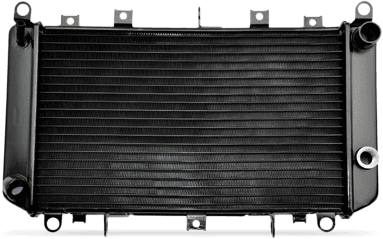
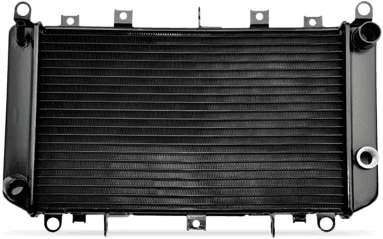
Similar search terms for PRASCO-ALA2078-Engine-radiator
Top-Angebote
Products related to PRASCO-ALA2078-Engine-radiator:
-
PRASCO SZA2055 Engine radiatorCooling Fin Material: Aluminium; Radiator type: Mechanically jointed cooling fins; Core Depth [mm]: 24; Inlet Diameter [mm]: 28; Outlet Diameter [mm]: 28; Core Length [mm]: 375; Core Width [mm]: 465; Water Tank Material (radiator): Plastic; Manufacturer Restriction: Alternativ; Transmission Type: Manual Transmission, 5-Speed Manual Transmission; Construction Year to: 06/2007, 08/2000106,99 £*Shipping: 8,45 £Secure redirect to the provider
-
PRASCO RT2387 Engine radiatorCooling Fin Material: Aluminium; Radiator type: Mechanically jointed cooling fins; Outlet Diameter [mm]: 32; Inlet Diameter [mm]: 32; Core Depth [mm]: 34; Core Width [mm]: 453; Water Tank Material (radiator): Plastic; Core Length [mm]: 630; Transmission Type: 4-Speed Automatic Transmission, Manual Transmission; Vehicle type: KM14/KM17/KM1D, F9Q803147,99 £*Shipping: 1,99 £Secure redirect to the provider
-
PRASCO AIA2123 Engine radiatorCooling Fin Material: Aluminium; Radiator type: Mechanically jointed cooling fins; Core Depth [mm]: 32; Outlet Diameter [mm]: 32; Inlet Diameter [mm]: 32; Core Width [mm]: 396; Water Tank Material (radiator): Plastic; Core Length [mm]: 630; Manufacturer Restriction: Calsonic, Alternativ; Supplementary Article / Supplementary Info Info 2: with quick couplers; Construction Year from: 03/1996; Transmission Type: Manual Transmission, 5-Speed Manual Transmission; Vehicle Equipment: for vehicles without air conditioning, for vehicles with air conditioning, for vehicles with trailer hitch; Vehicle type: ADP/AHL/ANA/ARM, ADR/APT/ARG/AVV, AEB/ANB/APU/AWT, 1Z/AHH/AHU, ADR/APT/ARG, AEB/ANB/APU/ARK, AEB/ANB/APU/ARK/AWT, AEB/ANB/APU; Heating/Cooling: for vehicles with high performance radiator; Vehicle Identification Number (VIN) from: 3U-3-038.32081,99 £*Shipping: 8,45 £Secure redirect to the provider
-
PRASCO DNA2131 Engine radiatorCooling Fin Material: Aluminium; Radiator type: Brazed cooling fins; Core Depth [mm]: 26; Inlet Diameter [mm]: 28; Outlet Diameter [mm]: 28; Core Width [mm]: 350; Core Length [mm]: 377; Water Tank Material (radiator): Plastic; Manufacturer Restriction: Alternativ; Transmission Type: Automatic Transmission, CVT automatic transmission (stepless)87,99 £*Shipping: 8,45 £Secure redirect to the provider


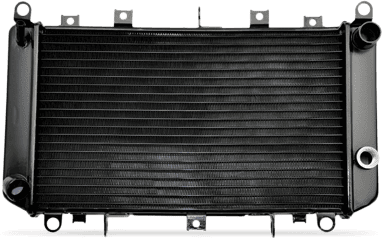
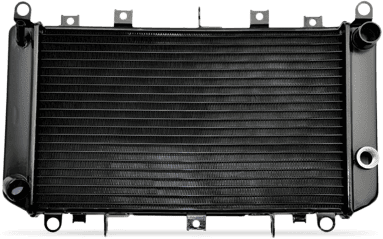
-
Why does the diesel engine have more torque than the gasoline engine?
The diesel engine has more torque than the gasoline engine because of the way it ignites fuel. In a diesel engine, fuel is ignited by compression, which means the fuel-air mixture is compressed to a much higher pressure before combustion. This results in a more powerful and efficient combustion process, leading to higher torque output. Additionally, diesel fuel has a higher energy density than gasoline, which also contributes to the diesel engine's higher torque output. **
-
Why does a diesel engine have more torque than a gasoline engine?
A diesel engine has more torque than a gasoline engine because of the higher compression ratio in diesel engines. The higher compression ratio allows for more efficient combustion of the fuel, resulting in more power and torque. Additionally, diesel fuel has a higher energy density than gasoline, which also contributes to the higher torque output of diesel engines. Finally, diesel engines typically have a longer stroke, which allows for more leverage and thus more torque. **
-
Which engine speed is better for a gasoline engine?
For a gasoline engine, the ideal engine speed varies depending on the specific engine design and intended use. However, in general, a moderate engine speed is considered better for gasoline engines as it allows for a balance between power output and fuel efficiency. Operating the engine at excessively high speeds for prolonged periods can lead to increased wear and tear, while running at very low speeds may result in poor performance and inefficient fuel combustion. It is recommended to follow the manufacturer's guidelines for optimal engine speed to ensure longevity and efficiency. **
-
Is the engine power independent of the speed?
No, engine power is not independent of speed. Engine power is directly related to the speed at which the engine is running. As the speed of the engine increases, the power output of the engine also increases. This relationship is important in determining the performance of a vehicle or machine. **

Does a 32-liter engine with 220 horsepower have a higher top speed than a 30-liter engine with 220 horsepower?
The size of the engine alone does not determine the top speed of a vehicle. Other factors such as weight, aerodynamics, and gearing also play a significant role. However, assuming all other factors are equal, the 32-liter engine may have a higher top speed due to its larger displacement, which can potentially provide more torque and power. Nonetheless, it's important to note that the specific design and engineering of each engine and vehicle will ultimately determine their top speeds. **
Is a high engine speed harmful for a diesel engine?
Running a diesel engine at a high engine speed for extended periods can be harmful as it can lead to increased wear and tear on engine components. High engine speeds can also generate more heat, potentially causing overheating issues. Additionally, running a diesel engine at high speeds for prolonged periods can decrease fuel efficiency and increase the risk of engine damage. It is important to operate a diesel engine within the recommended speed range to ensure optimal performance and longevity. **
Top-Angebote
Products related to PRASCO-ALA2078-Engine-radiator:
-
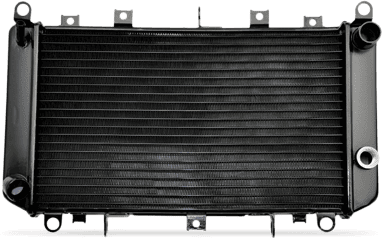
PRASCO ALA2078 Engine radiatorCooling Fin Material: Aluminium; Radiator type: Mechanically jointed cooling fins; Core Depth [mm]: 34; Outlet Diameter [mm]: 35; Inlet Diameter [mm]: 35; Core Width [mm]: 415; Core Length [mm]: 580; Water Tank Material (radiator): Plastic; Supplementary Article / Supplementary Info Info 2: with quick couplers; Manufacturer Restriction: Alternativ; Transmission Type: Manual Transmission; Construction Year to: 11/2005; Climate Zones: for hot climate zones85,49 £*Shipping: 8,45 £Secure redirect to the provider
-
PRASCO SZA2055 Engine radiatorCooling Fin Material: Aluminium; Radiator type: Mechanically jointed cooling fins; Core Depth [mm]: 24; Inlet Diameter [mm]: 28; Outlet Diameter [mm]: 28; Core Length [mm]: 375; Core Width [mm]: 465; Water Tank Material (radiator): Plastic; Manufacturer Restriction: Alternativ; Transmission Type: Manual Transmission, 5-Speed Manual Transmission; Construction Year to: 06/2007, 08/2000106,99 £*Shipping: 8,45 £Secure redirect to the provider
-
PRASCO RT2387 Engine radiatorCooling Fin Material: Aluminium; Radiator type: Mechanically jointed cooling fins; Outlet Diameter [mm]: 32; Inlet Diameter [mm]: 32; Core Depth [mm]: 34; Core Width [mm]: 453; Water Tank Material (radiator): Plastic; Core Length [mm]: 630; Transmission Type: 4-Speed Automatic Transmission, Manual Transmission; Vehicle type: KM14/KM17/KM1D, F9Q803147,99 £*Shipping: 1,99 £Secure redirect to the provider
-
Does the engine get damaged if you open the radiator cap?
Yes, opening the radiator cap while the engine is hot can be dangerous as it can release hot steam and coolant under pressure, potentially causing burns. Additionally, removing the radiator cap can disrupt the cooling system's pressure balance and lead to coolant leakage. It is recommended to wait until the engine has cooled down before opening the radiator cap to avoid any potential damage or injury. **
-
At what power does the engine reach its maximum torque?
The engine reaches its maximum torque at 4,000 RPM. This means that the engine is able to deliver its highest twisting force to the wheels at this speed. Torque is an important factor in determining the engine's overall performance and ability to accelerate the vehicle. **
-
Why does the diesel engine have more torque than the gasoline engine?
The diesel engine has more torque than the gasoline engine because of the way it ignites fuel. In a diesel engine, fuel is ignited by compression, which means the fuel-air mixture is compressed to a much higher pressure before combustion. This results in a more powerful and efficient combustion process, leading to higher torque output. Additionally, diesel fuel has a higher energy density than gasoline, which also contributes to the diesel engine's higher torque output. **
-
Why does a diesel engine have more torque than a gasoline engine?
A diesel engine has more torque than a gasoline engine because of the higher compression ratio in diesel engines. The higher compression ratio allows for more efficient combustion of the fuel, resulting in more power and torque. Additionally, diesel fuel has a higher energy density than gasoline, which also contributes to the higher torque output of diesel engines. Finally, diesel engines typically have a longer stroke, which allows for more leverage and thus more torque. **
Similar search terms for PRASCO-ALA2078-Engine-radiator
-
PRASCO AIA2123 Engine radiatorCooling Fin Material: Aluminium; Radiator type: Mechanically jointed cooling fins; Core Depth [mm]: 32; Outlet Diameter [mm]: 32; Inlet Diameter [mm]: 32; Core Width [mm]: 396; Water Tank Material (radiator): Plastic; Core Length [mm]: 630; Manufacturer Restriction: Calsonic, Alternativ; Supplementary Article / Supplementary Info Info 2: with quick couplers; Construction Year from: 03/1996; Transmission Type: Manual Transmission, 5-Speed Manual Transmission; Vehicle Equipment: for vehicles without air conditioning, for vehicles with air conditioning, for vehicles with trailer hitch; Vehicle type: ADP/AHL/ANA/ARM, ADR/APT/ARG/AVV, AEB/ANB/APU/AWT, 1Z/AHH/AHU, ADR/APT/ARG, AEB/ANB/APU/ARK, AEB/ANB/APU/ARK/AWT, AEB/ANB/APU; Heating/Cooling: for vehicles with high performance radiator; Vehicle Identification Number (VIN) from: 3U-3-038.32081,99 £*Shipping: 8,45 £Secure redirect to the provider
-
PRASCO DNA2131 Engine radiatorCooling Fin Material: Aluminium; Radiator type: Brazed cooling fins; Core Depth [mm]: 26; Inlet Diameter [mm]: 28; Outlet Diameter [mm]: 28; Core Width [mm]: 350; Core Length [mm]: 377; Water Tank Material (radiator): Plastic; Manufacturer Restriction: Alternativ; Transmission Type: Automatic Transmission, CVT automatic transmission (stepless)87,99 £*Shipping: 8,45 £Secure redirect to the provider
-
PRASCO FTA2115 Engine radiatorCooling Fin Material: Aluminium; Radiator type: Mechanically jointed cooling fins; Core Width [mm]: 248; Outlet Diameter [mm]: 32; Inlet Diameter [mm]: 32; Core Depth [mm]: 34; Core Length [mm]: 465; Water Tank Material (radiator): Plastic; Manufacturer Restriction: Delphi, Alternativ; Transmission Type: Manual Transmission; Construction Year to: 02/2000; Vehicle type: 176B200045,49 £*Shipping: 8,45 £Secure redirect to the provider
-
PRASCO FTA2261 Engine radiatorCooling Fin Material: Aluminium; Radiator type: Mechanically jointed cooling fins; Core Depth [mm]: 24; Outlet Diameter [mm]: 35; Inlet Diameter [mm]: 35; Core Width [mm]: 414; Water Tank Material (radiator): Plastic; Core Length [mm]: 645; Manufacturer Restriction: Alternativ; Transmission Type: Manual Transmission; Country Specific Design: Turkey; Vehicle Equipment: for vehicles without air conditioning; Vehicle type: 182B9000; Construction Year to: 10/200573,99 £*Shipping: 8,45 £Secure redirect to the provider
-
Which engine speed is better for a gasoline engine?
For a gasoline engine, the ideal engine speed varies depending on the specific engine design and intended use. However, in general, a moderate engine speed is considered better for gasoline engines as it allows for a balance between power output and fuel efficiency. Operating the engine at excessively high speeds for prolonged periods can lead to increased wear and tear, while running at very low speeds may result in poor performance and inefficient fuel combustion. It is recommended to follow the manufacturer's guidelines for optimal engine speed to ensure longevity and efficiency. **
-
Is the engine power independent of the speed?
No, engine power is not independent of speed. Engine power is directly related to the speed at which the engine is running. As the speed of the engine increases, the power output of the engine also increases. This relationship is important in determining the performance of a vehicle or machine. **
-
Does a 32-liter engine with 220 horsepower have a higher top speed than a 30-liter engine with 220 horsepower?
The size of the engine alone does not determine the top speed of a vehicle. Other factors such as weight, aerodynamics, and gearing also play a significant role. However, assuming all other factors are equal, the 32-liter engine may have a higher top speed due to its larger displacement, which can potentially provide more torque and power. Nonetheless, it's important to note that the specific design and engineering of each engine and vehicle will ultimately determine their top speeds. **
-
Is a high engine speed harmful for a diesel engine?
Running a diesel engine at a high engine speed for extended periods can be harmful as it can lead to increased wear and tear on engine components. High engine speeds can also generate more heat, potentially causing overheating issues. Additionally, running a diesel engine at high speeds for prolonged periods can decrease fuel efficiency and increase the risk of engine damage. It is important to operate a diesel engine within the recommended speed range to ensure optimal performance and longevity. **
* All prices are inclusive of VAT and, if applicable, plus shipping costs. The offer information is based on the details provided by the respective shop and is updated through automated processes. Real-time updates do not occur, so deviations can occur in individual cases. ** Note: Parts of this content were created by AI.