Buy modeltorque.eu ?
We are moving the project
modeltorque.eu .
Are you interested in purchasing the domain
modeltorque.eu ?
domain@kv-gmbh.de · 0541-91531010
Buy modeltorque.eu ?
How are speed and RPM related?
Speed and RPM (Revolutions Per Minute) are directly related in a linear manner. As the RPM of a rotating object increases, its speed also increases. This relationship is determined by the size of the object and the distance it travels in one complete revolution. In general, a higher RPM will result in a higher speed of the object. **
Why is there no performance at high RPM?
There could be several reasons for a lack of performance at high RPM. One common reason is that the engine may not be receiving enough air or fuel at high RPM, leading to a lack of power. This could be due to a clogged air filter, a malfunctioning fuel pump, or a restricted fuel line. Another possibility is that the engine may be overheating at high RPM, causing it to lose power. Additionally, issues with the ignition system, such as faulty spark plugs or a failing ignition coil, could also lead to poor performance at high RPM. Regular maintenance and troubleshooting can help identify and address these issues to improve performance at high RPM. **


Similar search terms for RPM
Top-Angebote
Products related to RPM:
-
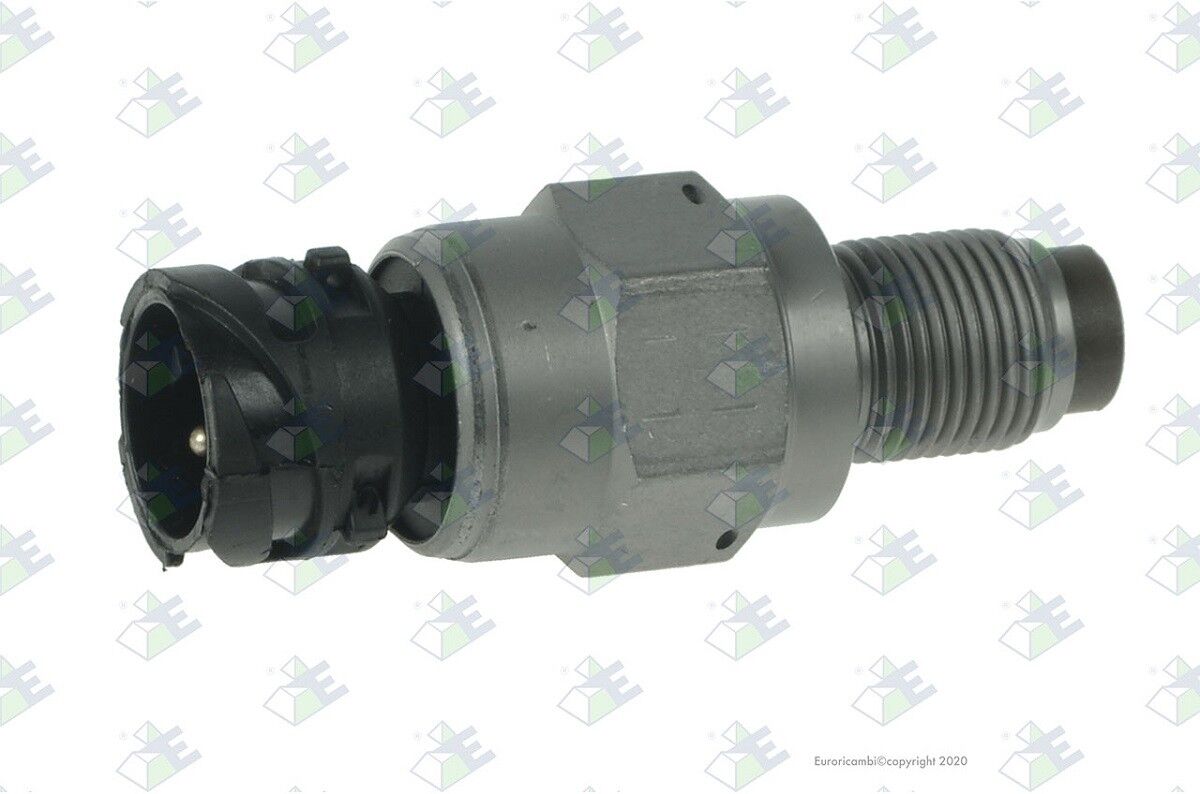
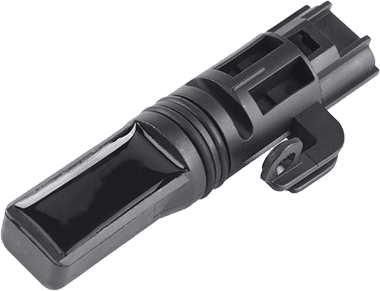
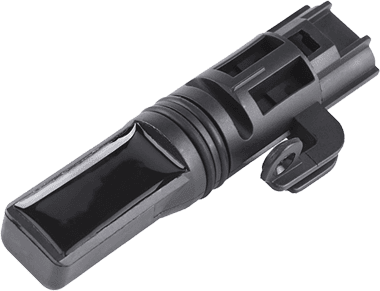
FISPA 83.3329 Sensor, speed / RPMSensor Type: Hall Sensor; Number of pins: 3; Fitting Depth [mm]: 29; Supplementary Article / Supplementary Info Info 2: without cable; Connector Shape: rectangular; for OE number: FN12 21 551; Quality: OE EQUIVALENT66,49 £*Shipping: 8,45 £Secure redirect to the provider
-
FISPA 83.557 Sensor, speed / RPMNumber of pins: 3; Supplementary Article / Supplementary Info Info 2: without cable; Connector Shape: oval; Quality: OE EQUIVALENT; Vehicle Identification Number (VIN) from: 1U-W-134201; Transmission Type: Manual Transmission32,49 £*Shipping: 8,45 £Secure redirect to the provider

-
Why does the engine crackle at high RPM?
The crackling sound at high RPM in an engine is often caused by unburnt fuel igniting in the exhaust system. This can happen when the engine is running rich, meaning there is an excess of fuel in the air-fuel mixture. When the engine is revved to high RPM, the unburnt fuel can make its way into the hot exhaust system and ignite, creating the crackling sound. This phenomenon is often associated with performance-tuned engines and is sometimes intentionally induced for its distinctive sound. **
-
Which RPM is better for a gasoline engine?
The ideal RPM for a gasoline engine typically falls within the range of 1,000 to 3,000 RPM for normal driving conditions. This range allows the engine to operate efficiently while providing enough power for acceleration when needed. Running the engine at higher RPMs for extended periods can lead to increased fuel consumption and wear on the engine components. It is important to find the right balance between RPM and power output to ensure optimal performance and fuel efficiency. **
-
How does the performance (in horsepower) vary depending on the RPM and gear in a car?
In a car, the performance in horsepower varies depending on the RPM and gear. Generally, at lower RPMs, the horsepower output is lower, but as the RPMs increase, the horsepower output also increases. Different gears allow the engine to operate at different RPM ranges, affecting the horsepower output accordingly. For example, in lower gears, the engine operates at higher RPMs, resulting in higher horsepower output, while in higher gears, the engine operates at lower RPMs, leading to lower horsepower output. **
-
What is the idle speed at 1000 rpm?
The idle speed at 1000 rpm refers to the engine speed when the vehicle is stationary and the engine is running at 1000 revolutions per minute. This speed is typically set by the manufacturer to ensure smooth operation of the engine while the vehicle is not in motion. It is important for the engine to maintain a consistent idle speed to prevent stalling and ensure proper functioning of various components. **

Why does a cold engine have a high RPM?
A cold engine has a high RPM because the fuel mixture is richer when the engine is cold. This means there is more fuel being injected into the engine to help it start and run smoothly. The higher RPM helps the engine generate more power to overcome the increased resistance caused by the cold temperatures. As the engine warms up, the RPM gradually decreases as the fuel mixture adjusts to the optimal ratio for efficient combustion. **
Is driving at low RPM harmful to the engine?
Driving at low RPM is not necessarily harmful to the engine, as long as it is done within the recommended range for the specific vehicle. However, consistently driving at very low RPM can lead to carbon buildup in the engine and can cause the engine to run less efficiently. It is important to follow the manufacturer's guidelines for the optimal RPM range for your vehicle to ensure the engine's longevity and performance. **
Top-Angebote
Products related to RPM:
-
Drop Dash Deals Gear Motor DC Gearmotor RPM High Torque Low RPM Drive Gear Motor DC Gearmotor RPM High Torque Low RPM DriveUnlock dependable motion control with this 1 pc of powerful 12V gear motor designed for makers, engineers, and DIY enthusiasts who demand rugged performance without complexity. This robust DC gearmotor delivers a smooth 220RPM output and reliable...173,97 $*Shipping: 0,00 $Secure redirect to the provider
-
Drop Dash Deals AC Gear Motor With Variable Speed Controller Single Phase Low RPM Torque Drive AC Gear Motor With Variable Speed Controller Single Phase Low RPM Torque DriveStep into smoother, reliable control with this rugged 1 pc of AC gear motor designed for makers, engineers, and small industrial setups. This 110V motor delivers steady power and flexible performance with a builtin variable speed controller, letting...249,97 $*Shipping: 0,00 $Secure redirect to the provider
-
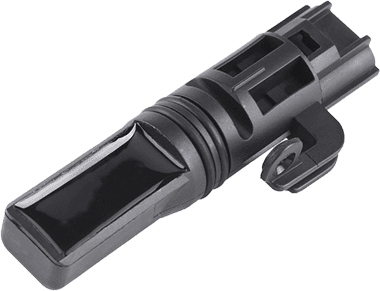
FISPA 83.3329 Sensor, speed / RPMSensor Type: Hall Sensor; Number of pins: 3; Fitting Depth [mm]: 29; Supplementary Article / Supplementary Info Info 2: without cable; Connector Shape: rectangular; for OE number: FN12 21 551; Quality: OE EQUIVALENT66,49 £*Shipping: 8,45 £Secure redirect to the provider
-
How are speed and RPM related?
Speed and RPM (Revolutions Per Minute) are directly related in a linear manner. As the RPM of a rotating object increases, its speed also increases. This relationship is determined by the size of the object and the distance it travels in one complete revolution. In general, a higher RPM will result in a higher speed of the object. **
-
Why is there no performance at high RPM?
There could be several reasons for a lack of performance at high RPM. One common reason is that the engine may not be receiving enough air or fuel at high RPM, leading to a lack of power. This could be due to a clogged air filter, a malfunctioning fuel pump, or a restricted fuel line. Another possibility is that the engine may be overheating at high RPM, causing it to lose power. Additionally, issues with the ignition system, such as faulty spark plugs or a failing ignition coil, could also lead to poor performance at high RPM. Regular maintenance and troubleshooting can help identify and address these issues to improve performance at high RPM. **
-
Why does the engine crackle at high RPM?
The crackling sound at high RPM in an engine is often caused by unburnt fuel igniting in the exhaust system. This can happen when the engine is running rich, meaning there is an excess of fuel in the air-fuel mixture. When the engine is revved to high RPM, the unburnt fuel can make its way into the hot exhaust system and ignite, creating the crackling sound. This phenomenon is often associated with performance-tuned engines and is sometimes intentionally induced for its distinctive sound. **
-
Which RPM is better for a gasoline engine?
The ideal RPM for a gasoline engine typically falls within the range of 1,000 to 3,000 RPM for normal driving conditions. This range allows the engine to operate efficiently while providing enough power for acceleration when needed. Running the engine at higher RPMs for extended periods can lead to increased fuel consumption and wear on the engine components. It is important to find the right balance between RPM and power output to ensure optimal performance and fuel efficiency. **
Similar search terms for RPM
-
FISPA 83.557 Sensor, speed / RPMNumber of pins: 3; Supplementary Article / Supplementary Info Info 2: without cable; Connector Shape: oval; Quality: OE EQUIVALENT; Vehicle Identification Number (VIN) from: 1U-W-134201; Transmission Type: Manual Transmission32,49 £*Shipping: 8,45 £Secure redirect to the provider
-
How does the performance (in horsepower) vary depending on the RPM and gear in a car?
In a car, the performance in horsepower varies depending on the RPM and gear. Generally, at lower RPMs, the horsepower output is lower, but as the RPMs increase, the horsepower output also increases. Different gears allow the engine to operate at different RPM ranges, affecting the horsepower output accordingly. For example, in lower gears, the engine operates at higher RPMs, resulting in higher horsepower output, while in higher gears, the engine operates at lower RPMs, leading to lower horsepower output. **
-
What is the idle speed at 1000 rpm?
The idle speed at 1000 rpm refers to the engine speed when the vehicle is stationary and the engine is running at 1000 revolutions per minute. This speed is typically set by the manufacturer to ensure smooth operation of the engine while the vehicle is not in motion. It is important for the engine to maintain a consistent idle speed to prevent stalling and ensure proper functioning of various components. **
-
Why does a cold engine have a high RPM?
A cold engine has a high RPM because the fuel mixture is richer when the engine is cold. This means there is more fuel being injected into the engine to help it start and run smoothly. The higher RPM helps the engine generate more power to overcome the increased resistance caused by the cold temperatures. As the engine warms up, the RPM gradually decreases as the fuel mixture adjusts to the optimal ratio for efficient combustion. **
-
Is driving at low RPM harmful to the engine?
Driving at low RPM is not necessarily harmful to the engine, as long as it is done within the recommended range for the specific vehicle. However, consistently driving at very low RPM can lead to carbon buildup in the engine and can cause the engine to run less efficiently. It is important to follow the manufacturer's guidelines for the optimal RPM range for your vehicle to ensure the engine's longevity and performance. **
* All prices are inclusive of VAT and, if applicable, plus shipping costs. The offer information is based on the details provided by the respective shop and is updated through automated processes. Real-time updates do not occur, so deviations can occur in individual cases. ** Note: Parts of this content were created by AI.