Buy modeltorque.eu ?
We are moving the project
modeltorque.eu .
Are you interested in purchasing the domain
modeltorque.eu ?
domain@kv-gmbh.de · 0541-91531010
Buy modeltorque.eu ?
Why was the railway the engine of industrialization?
The railway was the engine of industrialization because it revolutionized transportation and allowed for the efficient movement of goods and people. It facilitated the expansion of markets, the movement of raw materials to factories, and the distribution of finished products to consumers. The railway also spurred the growth of industries such as steel, coal, and manufacturing, as it created a demand for materials and equipment. Additionally, the railway encouraged urbanization and the development of new towns and cities along its routes, further driving industrialization. **
What is industrialization?
Industrialization is the process of transforming an economy from primarily agricultural and manual labor-based to one based on manufacturing and industry. This typically involves the introduction of new technologies, machinery, and infrastructure to increase production and efficiency. Industrialization often leads to urbanization as people move from rural areas to cities in search of employment in factories and other industrial facilities. This process has historically been associated with significant economic and social changes, including the rise of a middle class and increased standard of living for many people. **


Similar search terms for Industrialization
Top-Angebote
Products related to Industrialization:
-
Tools, Home & Hobby Z Axis Power Feed For Milling Machine With 450 In lb Torque Adjustable Speed Control Z Axis Power Feed For Milling Machine With 450 In lb Torque Adjustable Speed ControlUpgrade your milling workflow with smoother movement, better control, and less manual effort. This Milling Machine Power Feed is designed for machinists who need reliable Zaxis automation on Bridgeport and other compatible kneetype mills. With 450...289,97 $*Shipping: 0,00 $Secure redirect to the provider
-
Tools, Home & Hobby X Axis Power Feed For Milling Machine 150 In lb Torque With Adjustable 0 200RPM Speed X Axis Power Feed For Milling Machine 150 In lb Torque With Adjustable 0 200RPM Speed"Upgrade your milling workflow with smoother, faster, and more consistent table movement using this milling machine power feed designed for precision machining tasks. Built for Bridgeport and compatible kneetype mills with a 58"" end shaft diameter,..."269,97 $*Shipping: 0,00 $Secure redirect to the provider
-
Multicon Wholesale Hub Waterproof Digital Servo High Torque & Speed Waterproof Digital Servo High Torque & SpeedElevate your RC car's performance with the 42KG waterproof digital servo designed for highspeed precision and durability. Perfect for enthusiasts and hobbyists, this servo boasts superior torque, ensuring optimal control over your 18 or 110 RC car,...84,97 $*Shipping: 0,00 $Secure redirect to the provider
-
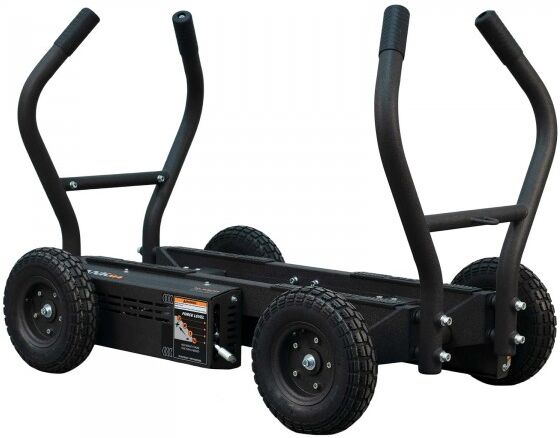
Torque TANK MX Power SledThe ultimate expression of the Torque TANK Series, the Tank MX is a commercial-quality solution for the power sled. It works on all surfaces and has several optional extras for more functionality. MX MODE The Torque TANK MX has three levels of resistance, similar to the M1 and M4 models; however,...3495,00 £*Shipping: 0,00 £Secure redirect to the provider


-
Why did the railroad become the engine of industrialization?
The railroad became the engine of industrialization because it revolutionized transportation and allowed for the efficient movement of goods and people across long distances. This enabled industries to access new markets, raw materials, and labor, leading to increased production and economic growth. The railroad also facilitated the expansion of markets and the development of new industries, such as steel and coal, which further fueled industrialization. Additionally, the railroad spurred technological innovation and investment in infrastructure, laying the foundation for the modern industrial economy. **
-
Why was the railway referred to as the engine of industrialization?
The railway was referred to as the engine of industrialization because it played a crucial role in driving economic growth and development during the Industrial Revolution. The railway provided a fast and efficient means of transporting raw materials, goods, and people, which facilitated the expansion of industries and markets. It also enabled the movement of large quantities of goods over long distances, connecting different regions and creating a national market. Additionally, the railway stimulated the growth of related industries such as iron and steel production, locomotive manufacturing, and infrastructure construction, further fueling industrialization. **
-
How did industrialization take place?
Industrialization took place through a combination of technological advancements, changes in economic systems, and shifts in social and cultural practices. The development of new machines and technologies, such as the steam engine and mechanized looms, allowed for increased production and efficiency in manufacturing. This led to the growth of factories and the mass production of goods. Additionally, changes in economic systems, such as the rise of capitalism and the expansion of markets, provided the necessary conditions for industrialization to take hold. Finally, social and cultural shifts, including urbanization and changes in labor practices, also played a role in the process of industrialization. **
-
How did socialism impact industrialization?
Socialism had a significant impact on industrialization by promoting state ownership and control of industries. This led to the nationalization of key industries, such as mining, manufacturing, and transportation, as well as the implementation of central economic planning. Socialist policies also focused on improving working conditions, increasing wages, and providing social welfare programs for workers, which contributed to the growth of the industrial workforce. However, the emphasis on state control and central planning also led to inefficiencies and lack of innovation in some socialist economies. **

Is there a second industrialization?
Yes, there is a second industrialization, also known as the Fourth Industrial Revolution. This new wave of industrialization is characterized by the integration of digital technologies, artificial intelligence, and automation into the manufacturing and production processes. It is transforming the way goods are produced and services are delivered, leading to increased efficiency, productivity, and innovation. The second industrialization is also impacting various industries such as healthcare, transportation, and energy, and is expected to have a significant impact on the global economy. **
Is industrialization still present today?
Yes, industrialization is still very much present today. Many countries around the world continue to undergo industrialization, with the development of new technologies and the expansion of manufacturing and production processes. This has led to the growth of industrial sectors in various economies, contributing to economic development and the creation of jobs. However, there is also a growing emphasis on sustainable and environmentally friendly industrial practices to mitigate the negative impact of industrialization on the environment. **
Top-Angebote
Products related to Industrialization:
-
Horsepower™ Pocket Pony™ Power Scrubber by Horsepower™ in BrownAbout This ProductTackle the toughest cleaning jobs in tight spaces with the Horsepower Pocket Pony Power Scrubber. This cordless, rechargeable, and waterproof scrubber delivers powerful oscillating action to pulverize dirt and grime with ease. Its...44,99 $*Shipping: 13,98 $Secure redirect to the provider
-
Drop Dash Deals Brushless ESC Speed Controller For RC Cars High Torque Performance Brushless ESC Speed Controller For RC Cars High Torque PerformanceTake your RC car to the next level with this 1pc 120A Brushless ESC. Designed for 110 and 18 scale electric vehicles, this highperformance speed controller offers exceptional control, smooth throttle response, and maximum torque. Perfect for RC...69,97 $*Shipping: 0,00 $Secure redirect to the provider
-
Tools, Home & Hobby Z Axis Power Feed For Milling Machine With 450 In lb Torque Adjustable Speed Control Z Axis Power Feed For Milling Machine With 450 In lb Torque Adjustable Speed ControlUpgrade your milling workflow with smoother movement, better control, and less manual effort. This Milling Machine Power Feed is designed for machinists who need reliable Zaxis automation on Bridgeport and other compatible kneetype mills. With 450...289,97 $*Shipping: 0,00 $Secure redirect to the provider
-
Tools, Home & Hobby X Axis Power Feed For Milling Machine 150 In lb Torque With Adjustable 0 200RPM Speed X Axis Power Feed For Milling Machine 150 In lb Torque With Adjustable 0 200RPM Speed"Upgrade your milling workflow with smoother, faster, and more consistent table movement using this milling machine power feed designed for precision machining tasks. Built for Bridgeport and compatible kneetype mills with a 58"" end shaft diameter,..."269,97 $*Shipping: 0,00 $Secure redirect to the provider
-
Why was the railway the engine of industrialization?
The railway was the engine of industrialization because it revolutionized transportation and allowed for the efficient movement of goods and people. It facilitated the expansion of markets, the movement of raw materials to factories, and the distribution of finished products to consumers. The railway also spurred the growth of industries such as steel, coal, and manufacturing, as it created a demand for materials and equipment. Additionally, the railway encouraged urbanization and the development of new towns and cities along its routes, further driving industrialization. **
-
What is industrialization?
Industrialization is the process of transforming an economy from primarily agricultural and manual labor-based to one based on manufacturing and industry. This typically involves the introduction of new technologies, machinery, and infrastructure to increase production and efficiency. Industrialization often leads to urbanization as people move from rural areas to cities in search of employment in factories and other industrial facilities. This process has historically been associated with significant economic and social changes, including the rise of a middle class and increased standard of living for many people. **
-
Why did the railroad become the engine of industrialization?
The railroad became the engine of industrialization because it revolutionized transportation and allowed for the efficient movement of goods and people across long distances. This enabled industries to access new markets, raw materials, and labor, leading to increased production and economic growth. The railroad also facilitated the expansion of markets and the development of new industries, such as steel and coal, which further fueled industrialization. Additionally, the railroad spurred technological innovation and investment in infrastructure, laying the foundation for the modern industrial economy. **
-
Why was the railway referred to as the engine of industrialization?
The railway was referred to as the engine of industrialization because it played a crucial role in driving economic growth and development during the Industrial Revolution. The railway provided a fast and efficient means of transporting raw materials, goods, and people, which facilitated the expansion of industries and markets. It also enabled the movement of large quantities of goods over long distances, connecting different regions and creating a national market. Additionally, the railway stimulated the growth of related industries such as iron and steel production, locomotive manufacturing, and infrastructure construction, further fueling industrialization. **
Similar search terms for Industrialization
-
Multicon Wholesale Hub Waterproof Digital Servo High Torque & Speed Waterproof Digital Servo High Torque & SpeedElevate your RC car's performance with the 42KG waterproof digital servo designed for highspeed precision and durability. Perfect for enthusiasts and hobbyists, this servo boasts superior torque, ensuring optimal control over your 18 or 110 RC car,...84,97 $*Shipping: 0,00 $Secure redirect to the provider
-
Torque TANK MX Power SledThe ultimate expression of the Torque TANK Series, the Tank MX is a commercial-quality solution for the power sled. It works on all surfaces and has several optional extras for more functionality. MX MODE The Torque TANK MX has three levels of resistance, similar to the M1 and M4 models; however,...3495,00 £*Shipping: 0,00 £Secure redirect to the provider
-
Torque TANK M1 Power SledThe Torque TANK M1 is the ultimate compact portable training tool. It is capable of taking on all training surfaces and levels and is a must-have for your gym. COMPACT DESIGN The Torque TANK M1 is the compact entry into the line of Tanks. Though it is the smallest of the three models, the M1...1195,00 £*Shipping: 0,00 £Secure redirect to the provider
-
Torque TANK M4 Power SledThe Torque TANK M4 is the next stage in power sled technology. It works on all surfaces, indoors and outdoors, and has an adjustable double brake to provide different resistances in both directions. PERFORMANCE HANDLES The M4 comes with four performance handles, allowing users to push and pull...2199,00 £*Shipping: 0,00 £Secure redirect to the provider
-
How did industrialization take place?
Industrialization took place through a combination of technological advancements, changes in economic systems, and shifts in social and cultural practices. The development of new machines and technologies, such as the steam engine and mechanized looms, allowed for increased production and efficiency in manufacturing. This led to the growth of factories and the mass production of goods. Additionally, changes in economic systems, such as the rise of capitalism and the expansion of markets, provided the necessary conditions for industrialization to take hold. Finally, social and cultural shifts, including urbanization and changes in labor practices, also played a role in the process of industrialization. **
-
How did socialism impact industrialization?
Socialism had a significant impact on industrialization by promoting state ownership and control of industries. This led to the nationalization of key industries, such as mining, manufacturing, and transportation, as well as the implementation of central economic planning. Socialist policies also focused on improving working conditions, increasing wages, and providing social welfare programs for workers, which contributed to the growth of the industrial workforce. However, the emphasis on state control and central planning also led to inefficiencies and lack of innovation in some socialist economies. **
-
Is there a second industrialization?
Yes, there is a second industrialization, also known as the Fourth Industrial Revolution. This new wave of industrialization is characterized by the integration of digital technologies, artificial intelligence, and automation into the manufacturing and production processes. It is transforming the way goods are produced and services are delivered, leading to increased efficiency, productivity, and innovation. The second industrialization is also impacting various industries such as healthcare, transportation, and energy, and is expected to have a significant impact on the global economy. **
-
Is industrialization still present today?
Yes, industrialization is still very much present today. Many countries around the world continue to undergo industrialization, with the development of new technologies and the expansion of manufacturing and production processes. This has led to the growth of industrial sectors in various economies, contributing to economic development and the creation of jobs. However, there is also a growing emphasis on sustainable and environmentally friendly industrial practices to mitigate the negative impact of industrialization on the environment. **
* All prices are inclusive of VAT and, if applicable, plus shipping costs. The offer information is based on the details provided by the respective shop and is updated through automated processes. Real-time updates do not occur, so deviations can occur in individual cases. ** Note: Parts of this content were created by AI.